The Revolution in Implant Dentistry
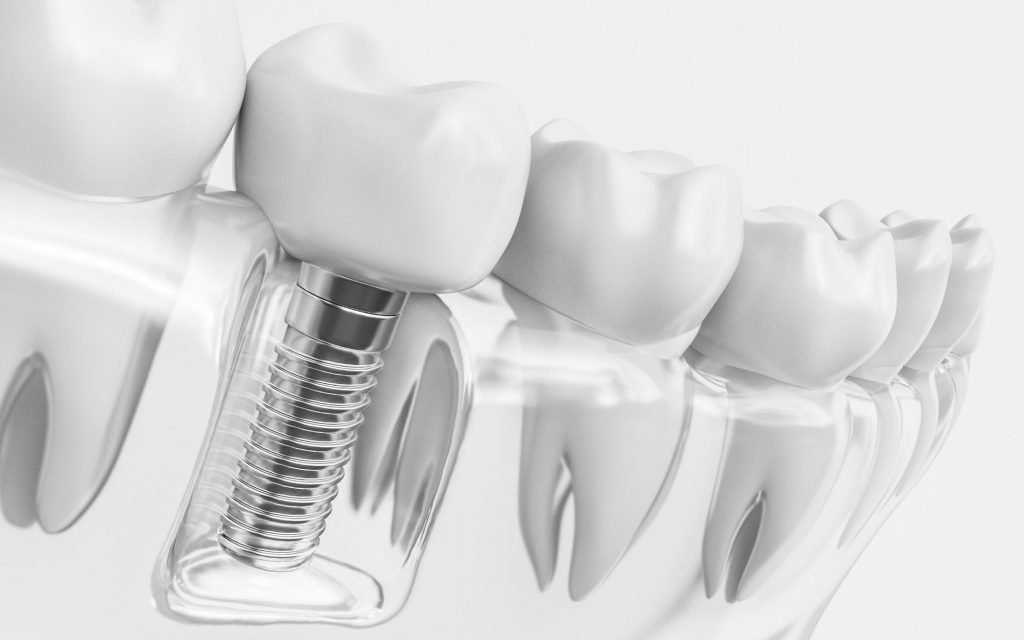
The landscape of restorative dentistry has transformed dramatically over the past two decades, with surface technology emerging as the cornerstone of successful implant integration. Modern dental implants Northern Ireland represent a far cry from the smooth titanium posts of yesteryear. Today’s implants feature sophisticated surface modifications that actively encourage bone cells to colonise the implant surface, dramatically reducing healing times and improving long-term success rates.
The science behind these advances lies in understanding how bone tissue responds to different surface characteristics at a microscopic level. When an implant is placed into the jawbone, the body initiates a complex biological cascade known as osseointegration. This process determines whether the implant will successfully fuse with the surrounding bone or face rejection. Surface technology plays an absolutely pivotal role in orchestrating this delicate dance between artificial and natural materials.
Understanding Osseointegration at the Cellular Level
Osseointegration represents the direct structural and functional connection between living bone and the surface of a load-bearing implant. The speed and quality of this integration depend heavily on how quickly osteoblasts—the cells responsible for bone formation—can attach to and proliferate across the implant surface. Research into titanium surface modifications has demonstrated that roughened surfaces significantly outperform their smooth counterparts in promoting cellular adhesion.
Surface Modification Techniques That Change Everything
Sandblasting and Acid Etching
One of the most widely adopted surface treatments combines large-grit sandblasting with acid etching, creating a moderately rough surface topography. This dual approach generates micro-pits and valleys that provide an ideal landscape for bone cells to anchor themselves. The technique increases the surface area available for cellular attachment whilst maintaining the structural integrity of the titanium substrate. Studies have shown that this particular surface modification can reduce the healing period by several weeks compared to traditional smooth surfaces.
Plasma Spraying and Hydroxyapatite Coating
Another innovative approach involves coating titanium implants with hydroxyapatite, a naturally occurring mineral that comprises the primary component of bone tissue. This biomimetic strategy essentially presents the body with a surface it recognises as familiar, encouraging faster bone apposition and integration. The coating acts as a biological bridge, facilitating the transition from implant to bone with remarkable efficiency.
Anodisation and Nanostructure Enhancement
Anodisation represents a more refined approach to surface modification, creating a controlled oxide layer on the titanium surface with precise nanoscale features. This electrochemical process generates a highly organised topography that mimics the natural structure of bone at the molecular level. The relationship between implant surface technology and osseointegration becomes particularly evident with anodised surfaces, which demonstrate exceptional protein absorption capabilities that accelerate the initial healing phase.
The Biological Response to Advanced Surfaces
When dental implants Northern Ireland specialists place into the jawbone, the immediate biological response determines the trajectory of healing. Advanced surface technologies trigger a cascade of cellular events that begin within minutes of implant placement. Blood proteins rapidly adsorb onto the treated surface, creating a provisional matrix that guides subsequent cellular behaviour. Osteoprogenitor cells migrate to this protein layer, differentiate into mature osteoblasts, and begin synthesising new bone tissue directly onto the implant surface.
The speed of this process has profound implications for patient outcomes. Faster osseointegration means reduced healing times, earlier loading of the implant with prosthetic teeth, and a lower risk of complications during the vulnerable early healing phase. Clinical evidence on surface modifications consistently demonstrates that patients receiving implants with advanced surface treatments experience more predictable healing patterns and higher success rates.
Clinical Implications and Patient Benefits
For patients considering dental implants Northern Ireland, these technological advances translate into tangible benefits. Treatment timelines have shortened considerably, with some modern implant systems allowing for immediate or early loading protocols that would have been impossible with older designs. The reduced healing period means less time wearing temporary prosthetics and a faster return to normal function and aesthetics.
Furthermore, advanced surface technologies have expanded the range of patients who can successfully receive implants. Individuals with compromised bone quality or systemic conditions that affect healing now have access to treatment options that were previously unavailable. The enhanced biological response generated by sophisticated surface modifications compensates for less-than-ideal clinical conditions, broadening the scope of implant dentistry.
The Future of Implant Surface Technology
The field continues to evolve, with researchers exploring bioactive coatings that release growth factors, antimicrobial surfaces that reduce infection risk, and smart materials that respond dynamically to the biological environment. These innovations promise to further accelerate healing whilst improving long-term implant stability and longevity, cementing the role of surface technology as the driving force behind modern implant success.