The Evolution of Dental Practice
The landscape of dental practice has undergone remarkable transformation over recent decades, with practitioners expanding their expertise beyond traditional cavity fillings and extractions. One of the most fascinating developments in modern dentistry involves the therapeutic application of botulinum toxin, commonly known as Botox Tunbridge Wells, for treating various oral health conditions. This innovative approach represents a significant shift towards comprehensive facial health management within dental practices.
Dental professionals have discovered that their intimate knowledge of facial anatomy positions them uniquely to administer Botox treatments effectively. The muscles of mastication, facial expression, and the intricate network of nerves surrounding the oral cavity are territories well-charted by qualified dentists. This anatomical expertise has naturally led to the integration of Botox therapy as a valuable tool for addressing conditions that extend beyond the teeth and gums themselves.
Understanding Muscle-Related Dental Conditions
The human jaw operates through a complex system of muscles that can become problematic when they function improperly or excessively. Temporomandibular joint disorders, commonly referred to as TMJ, affect millions of individuals and can cause significant discomfort in daily life. These conditions often manifest through jaw pain, clicking sounds during mouth movement, and restricted jaw mobility that can severely impact one’s quality of life.
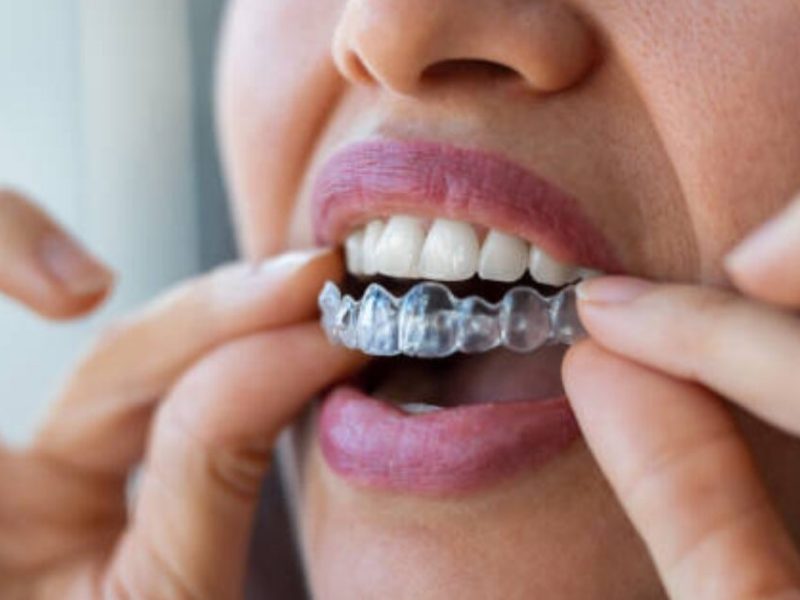
Bruxism, the unconscious grinding or clenching of teeth, represents another prevalent condition that benefits from muscle conditioning approaches. This habit typically occurs during sleep and can lead to substantial dental damage, including worn tooth surfaces, fractured restorations, and persistent jaw muscle fatigue. Traditional treatment methods have included protective mouthguards, but these devices merely shield the teeth rather than address the underlying muscle hyperactivity.
The Science Behind Botox Applications
Botulinum toxin works by temporarily blocking nerve signals to specific muscles, effectively reducing their ability to contract with full force. When applied to overactive jaw muscles, this mechanism provides relief from the excessive tension that contributes to various oral health problems. Research on Botox applications for dental and facial pain treatment has demonstrated promising results for patients suffering from chronic jaw-related discomfort.
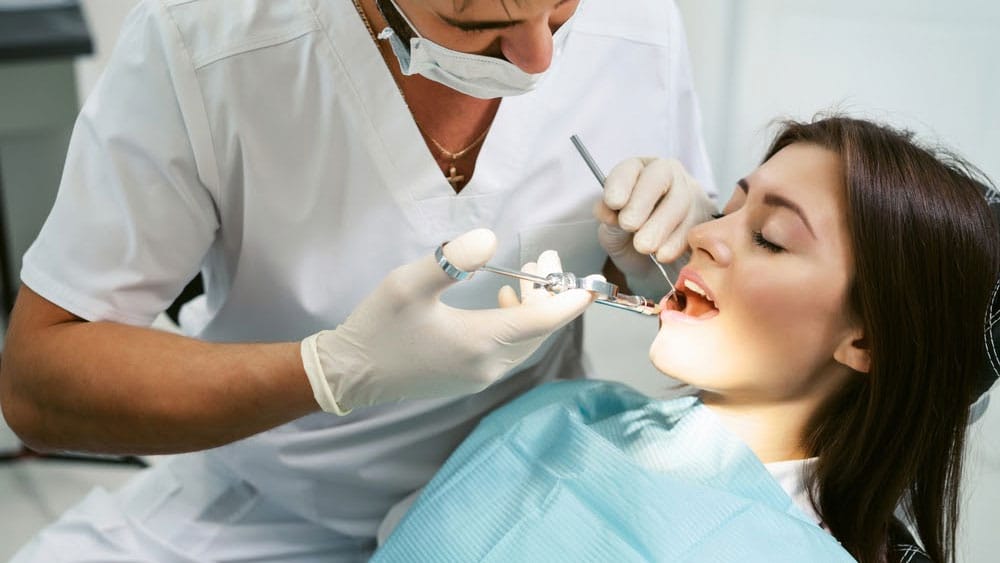
The procedure itself involves precise injections into targeted muscle groups, requiring thorough understanding of facial anatomy and proper injection techniques. Qualified dental professionals who offer services such as Botox undergo specialised training to ensure safe and effective treatment delivery for their patients seeking relief from muscle-related oral health issues.
Clinical Applications and Treatment Protocols
The therapeutic applications of Botox in dental practice extend beyond simple muscle relaxation, encompassing a comprehensive approach to oral health management. Practitioners have observed remarkable success in treating patients who experience chronic headaches originating from jaw muscle tension. These tension-type headaches often prove resistant to conventional pain management strategies, making Botox an invaluable alternative treatment option for persistent sufferers.
Treatment protocols typically involve a thorough assessment of the patient’s symptoms, medical history, and specific muscle involvement patterns. The injection process requires precision and expertise, as dental professionals must identify the exact locations where muscle hyperactivity occurs. Comprehensive approaches to Botox applications in dental settings have established standardised protocols that ensure consistent and safe treatment outcomes for patients across various conditions.
Patient Benefits and Treatment Outcomes
Patients who undergo Botox treatment for dental-related muscle conditions frequently report significant improvements in their symptoms within days of treatment. The reduction in muscle tension often leads to decreased pain levels, improved jaw mobility, and enhanced overall comfort during daily activities such as eating and speaking. Many individuals find that their sleep quality improves substantially when bruxism-related muscle activity diminishes.
The longevity of treatment effects typically ranges from three to six months, after which patients may require follow-up treatments to maintain optimal results. This timeframe allows for natural muscle function to gradually return whilst providing extended periods of relief from problematic symptoms. Professional insights into dental Botox applications suggest that regular treatment schedules can lead to cumulative benefits over time.
Safety Considerations and Professional Standards
The integration of Botox treatments within dental practice requires adherence to strict safety protocols and professional standards. Qualified practitioners must complete comprehensive training programmes that cover injection techniques, anatomy review, and emergency management procedures. Patient screening processes ensure that individuals with certain medical conditions or medications that may contraindicate treatment are appropriately identified and managed.
Future Prospects for Dental Innovation
The successful incorporation of Botox therapy into dental practice represents just one example of how the profession continues to evolve and expand its therapeutic capabilities. As research continues to explore new applications and refine existing protocols, patients can expect increasingly sophisticated approaches to comprehensive oral health management that address both structural and functional aspects of dental well-being.